
Table of Content
- Introduction
- Why Are Some LED Strip Lights More Expensive Than Others?
- What Do Premium LED Strip Lights Offer?
- When Budget-Friendly LED Strip Lights Make Sense
- Side-by-Side Comparison: Budget vs. Premium LED Strips
- Common Pitfalls in Cheap LED Strip Lights
- Are Expensive LED Strip Lights Really Worth It?
- Conclusion
Introduction
LED strip lights have become the go-to solution for ambient lighting, home décor, gaming setups, and even commercial spaces. But when it comes to choosing between budget-friendly LED strip lights and more expensive LED strip lights, the decision isn’t always straightforward. With prices ranging from under $20 to over $100 for seemingly similar products, many shoppers are left wondering — are premium LED strip lights really worth the cost?
Why Are Some LED Strip Lights More Expensive Than Others?
The price of LED strip lights often reflects more than just brand recognition — it usually signals the inclusion of advanced features, superior build quality, and better longevity.
Key Factors That Drive Up Cost:
- LED Chip Quality: Premium strips use high-lumen, energy-efficient chips with better color rendering (CRI >90).
- PCB Material: A thicker, copper-dense PCB (printed circuit board) dissipates heat more effectively, prolonging the life of the LEDs.
- Smart Features: Integration with Alexa, Google Assistant, or app controls often adds to the price.
- Waterproofing & Durability: IP65 or higher-rated strips are more expensive but ideal for outdoor or kitchen use.
- Customizability: Expensive LED strip lights may allow for precise RGB tuning, segmented control, and sync with music or video.
What Do Premium LED Strip Lights Offer?
1. Superior Brightness & Color Accuracy
High-end LEDs produce more consistent lighting without hot spots or color banding — ideal for display cases, accent walls, or commercial settings.
2. Smart Home Integration
Premium LED strip lights seamlessly work with major smart home platforms and offer advanced scheduling, routines, and remote access.
3. Music Sync & Dynamic Effects
Top-tier options often feature real-time music sync, dynamic scenes, and even screen mirroring — perfect for gamers or home theater enthusiasts.
4. Durability & Heat Management
High-quality components prevent overheating, ensuring your lights last for years without dimming or failure.
When Budget-Friendly LED Strip Lights Make Sense
Not every lighting project requires cutting-edge tech. In many cases, budget-friendly LED strip lights offer tremendous value, especially for casual use.
Ideal Scenarios for Affordable LED Lighting Solutions:
- Short-Term Use: Events, parties, or seasonal décor.
- Simple Aesthetic Lighting: Behind TVs, under beds, or along bookshelves.
- DIY Projects: For hobbyists who don’t need smart features or perfect color reproduction.
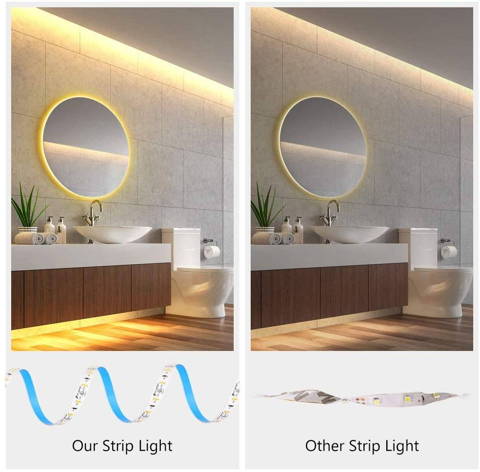
Side-by-Side Comparison: Budget vs. Premium LED Strips

Common Pitfalls in Cheap LED Strip Lights
- Color Inaccuracy: Inconsistent hues or unwanted flickering.
- Limited Controls: Most budget strips come with outdated IR remotes with no memory function.
- Shorter Lifespan: Inferior materials lead to faster burnout.
- No Warranty or Support: Customer service is often non-existent.
Are Expensive LED Strip Lights Really Worth It?
The answer depends on what you value most.
If you're creating a professional-quality setup, want seamless smart home integration, or plan to use the lights daily for years, premium LED strip lights deliver an unmatched experience in terms of control, brightness, and longevity.
On the flip side, budget-friendly LED strip lights are more than sufficient for basic projects, short-term installations, or renters looking for quick ambiance without commitment.
Ultimately, the best LED lighting option is the one that aligns with your goals, budget, and expectations.
Conclusion
LED strip lights have evolved into a versatile, must-have lighting solution — but not all strips are created equal. While expensive LED strip lights offer enhanced features, durability, and smart capabilities, budget-friendly LED strip lights hold their own in simplicity and value.
Whether you opt for a $20 strip to light your shelf or invest $120 in a smart, voice-controlled lighting system, the key is knowing what matters most for your space.
About HitLights:
HitLights is a leading provider of high-quality LED lighting and low voltage LED drivers, and mounting supplies catering to diverse needs in residential, commercial, and event settings. With a commitment to innovation, eco-friendly lighting, and customer satisfaction, HitLights continues to illuminate spaces with innovations be it micro or macro technology.
By the way, if you are a professional installer, an integrator, or a business owner and you want to: Save MORE! And Do MORE Projects!
Get Factory Direct Pricing when you join our Professional Partner Program RISK-FREE, NO CONTRACTS, NO HASSLE PROCESS there is nothing to lose but MORE to GAIN!
If you have any additional questions, feel free to reach out to us at customerservice@hitlights.com or give us a call at 1 (855) 768-4135. Our team of expert engineers and electricians are here to assist you every step of the way!
*Disclaimer: The information provided in this article is for general informational purposes only.