
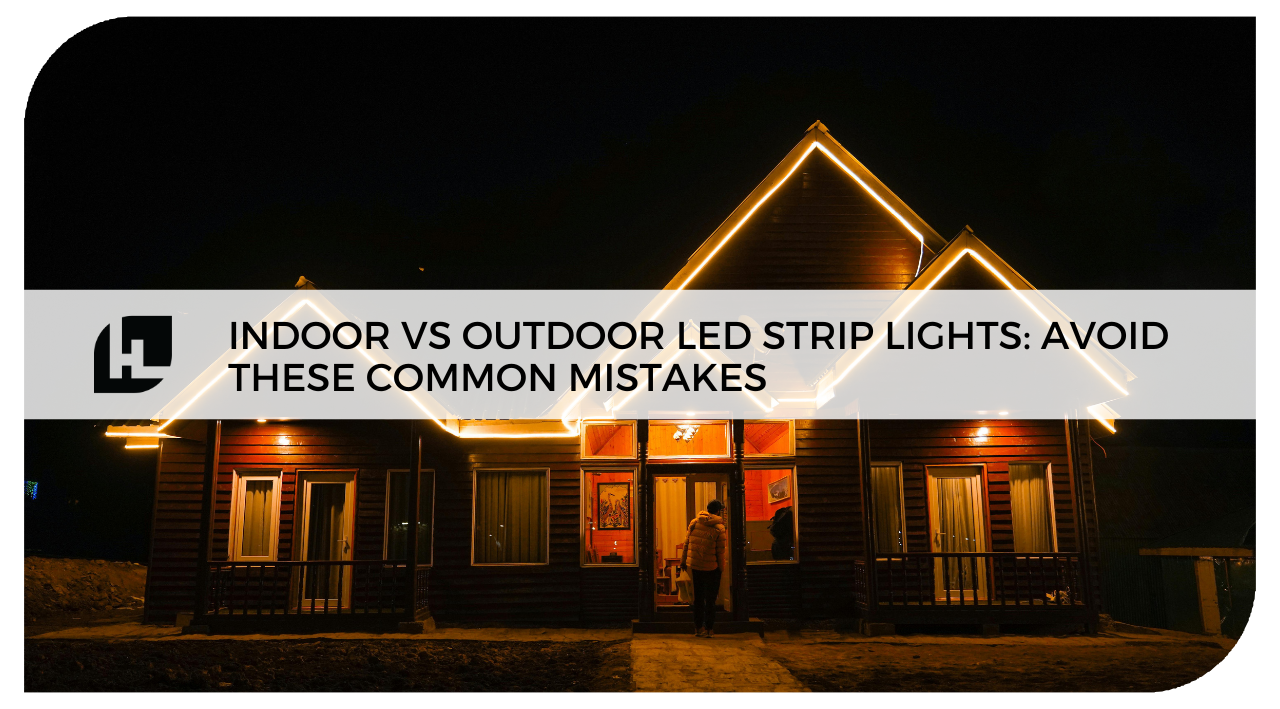
When it comes to lighting up a space, LED strip lights are among the most versatile and cost-effective solutions available. However, one of the most common and costly mistakes buyers make is choosing the wrong type of LED strip light for their environment. Understanding the distinction between outdoor LED strip lights and indoor LED strip lights is crucial to achieving both aesthetic and functional success.
Understanding the Basics of LED Strip Lights
LED strip lights are flexible circuit boards embedded with light-emitting diodes (LEDs). They come in various lengths, brightness levels, and color temperatures. Their low power consumption and ease of installation make them a go-to choice for accent lighting, task lighting, and even large-scale decorative projects.
Before diving into specific applications, it's important to understand some core features:
- Voltage: Common options are 12V and 24V.
- Brightness: Measured in lumens per meter.
- Color Type: Available in single color, tunable white, or RGB (multi-color).
- Cuttable: Most strips can be cut to size at designated points.
Indoor LED Strip Lights – Where They Work Best
Indoor LED strip lights are designed for dry environments and are typically rated IP20. They are ideal for locations such as:
- Under-cabinet kitchen lighting
- Shelf and display case illumination
- Cove and accent lighting in living rooms
- Home office or workspace enhancements
Pros of Indoor LED Strips: Slimmer and more flexible, easier to install due to lighter build, and typically more affordable.
Limitations: No protection against moisture or dust, and vulnerable to damage in humid or damp environments.
Outdoor LED Strip Lights – Durability Matters
Outdoor LED strip lights are specifically engineered to withstand the elements. Their casings often feature silicone or epoxy coatings, offering water resistance and UV protection. Outdoor-rated LED strips are usually rated IP65 or higher.
Use cases include:
- Deck and patio lighting
- Garden path illumination
- Signage and architectural lighting
- Poolside or water feature accents
Advantages: Weather-resistant (rain, humidity, UV rays), durable in a range of temperatures, and safe for wet or exposed environments.
Considerations: Often thicker and less flexible, require proper sealing of connectors, and slightly more expensive due to added protection.
IP65 vs. IP20 LED Strips – Why This Rating Is Critical
The IP (Ingress Protection) rating tells you how resistant a product is to dust and water. It consists of two digits:
- First digit: level of protection against solids (0-6)
- Second digit: level of protection against liquids (0-8)
IP20:
- Protection against objects larger than 12mm (like fingers)
- No protection against water
- Suitable for indoor use only
IP65:
- Fully protected against dust
- Protected against low-pressure water jets from any direction
- Suitable for damp or outdoor environments
Common mistake: Using an IP20-rated strip outdoors or in a bathroom. This leads to premature failure, safety risks, and potential electrical damage.
Common Mistakes When Choosing LED Strip Lights
Here are some frequent errors consumers make:
- Choosing Indoor Strips for Outdoor Use: An IP20 strip won't survive a splash or rain. Always check the IP rating.
- Ignoring Power Requirements: Make sure your power supply matches the strip's voltage (12V or 24V) and wattage.
- Overlooking Strip Length and Layout: Plan your run length in advance. Longer runs may require additional power injection to prevent voltage drop.
- Skipping Heat Management: Even LEDs produce heat. Installing strips on heat-conductive surfaces (like aluminum channels) prolongs their lifespan.
- Failing to Use the Right Connectors: Especially outdoors, connectors must be sealed and weatherproofed to prevent corrosion and shorts.
LED Strip Installation Tips for Indoor and Outdoor Use
Installation quality affects not only aesthetics but also safety and longevity. Here are some universal best practices:
For Indoor:
- Use clean, dry surfaces for adhesive backing.
- Avoid bending around tight corners.
- Hide power supplies in cabinets or closets for clean aesthetics.
For Outdoor:
- Use mounting clips or waterproof adhesive.
- Seal all connectors with silicone or heat shrink tubing.
- Protect power supply in a weatherproof enclosure.
Bonus Tip: Always test your setup before final installation.
How to Choose the Right LED Strip Light for Your Needs
Choosing between indoor and outdoor LED strip lights doesn't have to be complicated. Follow this simple checklist:
- Define the Environment: Will the strip be exposed to moisture, dust, or sunlight? If yes, choose IP65 or higher.
- Determine Length and Layout: Sketch your space and measure required lengths. Remember that strips can be cut at intervals.
- Choose Brightness and Color: For task lighting, go brighter (e.g., 1000+ lumens/meter). For mood or accent lighting, lower lumens may suffice.
- Match Voltage and Power Supply: Check the voltage rating (12V or 24V) and ensure your driver handles the total wattage with some headroom.
- Consider Installation Type: Adhesive-backed for easy jobs, aluminum channels for heat dissipation and aesthetics, and waterproof sealing for outdoor durability.
Conclusion
Choosing the wrong LED strip light can lead to poor performance, shortened lifespan, and even safety hazards. Understanding the distinction between indoor LED strip lights and outdoor LED strip lights, especially the difference between IP20 and IP65 ratings, is essential for any installation. By avoiding common pitfalls and following key installation tips, you can enjoy vibrant, long-lasting lighting tailored to your specific space.
Whether illuminating a cozy reading nook or a backyard patio, matching the right product to the right environment ensures your project is both beautiful and safe.
Explain