
- Introduction
- Understanding Terminal Block Connectors for LED Strip Lights
- How Terminal Block Connectors Work in LED Systems
- Types of Terminal Block Connectors Used with LED Strips
- Common Applications in LED Lighting Installations
- Benefits of Using Terminal Block Connectors in LED Projects
- Choosing the Right Terminal Block for LED Strip Lights
- Conclusion
Introduction
When setting up LED strip lights, one of the biggest challenges is creating safe, organized, and durable electrical connections. Whether you’re installing accent lighting at home or running large commercial LED systems, you need a reliable way to connect wires between your power supply, LED controller, and light strips.
That’s where terminal block connectors come in. These small but powerful components simplify LED installations by providing secure wire connections without soldering, improving both performance and maintenance.
In this guide, you’ll learn what a terminal block connector is, how it works, and why it’s ideal for LED strip lighting setups. We’ll also cover different types, practical uses, and how to select the right terminal block for your LED lighting project.
Understanding Terminal Block Connectors for LED Strip Lights
What Is a Terminal Block Connector?
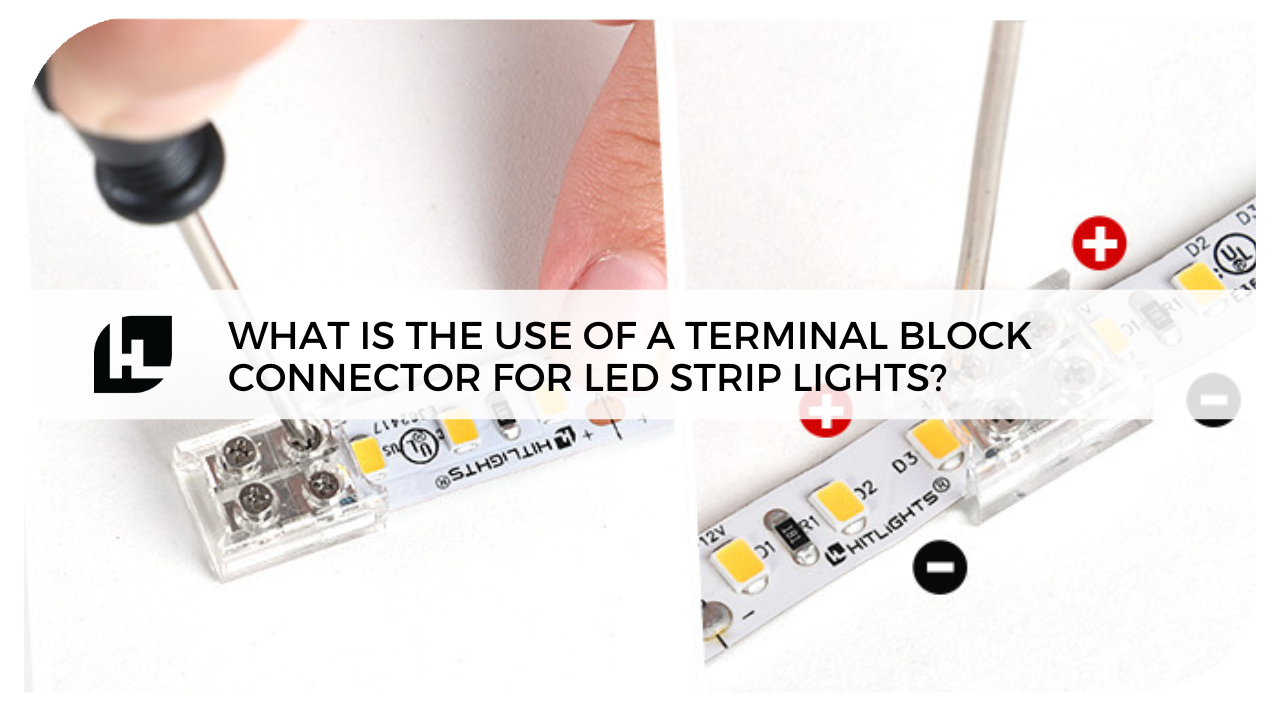
A terminal block connector is a modular, insulated device used to connect multiple electrical wires securely. Instead of soldering wires together, you simply insert each wire into a slot and tighten it with a screw, spring, or clamp to ensure a solid electrical connection.
In LED lighting, terminal blocks serve as the connection bridge between the power supply, controller, and LED strips, ensuring consistent voltage and current flow throughout the lighting system.
Why They’re Important in LED Installations
LED strip lights run on low voltage DC power (typically 12V or 24V), which makes precise and secure wiring essential. Loose or poor connections can cause:
-
Voltage drops leading to dim lights.
-
Overheating at weak contact points.
-
LED flickering or failure over time.
Using a terminal block connector eliminates these risks by providing a tight, corrosion-resistant contact that maintains steady power delivery across the entire system.
How Terminal Block Connectors Work in LED Systems
Here’s how a terminal block connector integrates into an LED lighting circuit:
-
Input Connection — The terminal block connects directly to the DC power supply output (positive and negative).
-
Output Connection — From the terminal block, wires lead to the LED strip light input terminals.
-
Controller or Dimmer Integration — If your setup includes an LED controller or dimmer, its wires also connect via the terminal block, creating a central hub for all wiring.
Each terminal point has a metal conductor that ensures stable current flow, while the insulating housing keeps wires safely separated to prevent short circuits.
Because the connection is mechanical, you can easily disconnect or modify the wiring when extending LED strips or upgrading your lighting system.
Types of Terminal Block Connectors Used with LED Strips
There are several terminal block types that work well in LED lighting installations. The best one depends on your project size, wiring layout, and environment.
1. Screw-Type Terminal Blocks
These are the most common in LED lighting setups. Each wire is inserted into a slot and tightened with a small screw.
Advantages:
-
Reliable and secure connection
-
Handles moderate current loads (up to 20A)
-
Easy to reuse and inspect
Use Case: Perfect for connecting LED strips to a power supply in home or commercial installations.
2. Push-In (Spring) Terminal Blocks
Push-in types use a spring clamp mechanism to hold wires in place without tools. They’re popular for fast installations.
Advantages:
-
Tool-free installation
-
Quick release and reconnection
-
Ideal for stranded or flexible LED wires
Use Case: Great for under-cabinet lighting, retail displays, or DIY LED setups.
3. Barrier Strip Terminal Blocks
Barrier strips provide separate compartments between connections, preventing shorts and ensuring safety in higher-voltage LED systems.
Advantages:
-
Enhanced insulation and spacing
-
Supports multi-channel LED setups (RGB, RGBW)
-
Works well in power distribution boards
Use Case: Best for multi-zone or large-scale LED lighting systems where multiple strips share the same power source.
4. PCB Terminal Blocks
For integrated LED drivers or controllers, PCB-mounted terminal blocks offer a compact way to connect input and output wiring directly to circuit boards.
Use Case: Used inside LED power supplies, drivers, and control modules.
Common Applications in LED Lighting Installations
1. Connecting LED Strip Lights to Power Supplies
The most common use of a terminal block in LED projects is joining the DC power output to multiple LED strips. Instead of splicing wires, a terminal block ensures clean, modular connections.
Example: A 12V LED strip setup powered by a single 100W transformer can distribute power evenly through a terminal block, reducing voltage drop across long runs.
2. Managing RGB or RGBW LED Channels
RGB and RGBW LED strips have four or five conductors—one for each color channel and one common positive. Terminal blocks help keep these wires neatly arranged and prevent wiring mistakes during installation.
Benefit: Simplified color channel wiring and quick troubleshooting.
3. Extending or Repairing LED Strip Sections
When extending LED strips or replacing damaged segments, terminal blocks allow easy re-termination without soldering. You can simply cut, strip, and reconnect the new wire section.
4. Centralized Power Distribution
In larger LED installations such as retail ceilings, signage, or architectural lighting, terminal blocks act as power hubs, allowing multiple LED circuits to connect to a single power source safely.
Benefits of Using Terminal Block Connectors in LED Projects
1. Clean and Organized Wiring
LED systems often involve multiple low-voltage circuits. Terminal blocks help eliminate messy wire bundles and create a tidy, professional finish that’s easier to maintain.
2. Safe and Secure Electrical Connections
Loose or exposed wire ends are common failure points in LED installations. Terminal blocks ensure tight, insulated, and vibration-resistant connections, preventing flickering, short circuits, and overheating.
3. Easy Maintenance and Upgrades
If you ever need to replace an LED strip, switch power supplies, or add a dimmer, terminal blocks let you disconnect and reconnect wires quickly without damaging the setup.
4. Compatibility with Different Wire Types
LED strip installations often use a mix of solid and stranded wires. Most terminal blocks accommodate both types, ensuring reliable performance regardless of wire flexibility.
5. Enhanced Longevity and Durability
Made from high-quality copper alloys and flame-retardant housings, terminal blocks are resistant to corrosion and mechanical stress — perfect for LED installations in kitchens, signage, or outdoor enclosures.
6. Scalability for Complex Systems
Using DIN-rail modular terminal blocks, you can easily expand your LED power network as your lighting setup grows. This scalability makes them ideal for commercial or architectural lighting projects.
Choosing the Right Terminal Block for LED Strip Lights
When selecting a terminal block connector for your LED lighting project, keep these key factors in mind:
1. Voltage and Current Ratings
Match the terminal block rating to your LED power requirements. For example:
-
12V/24V LED strips typically draw 2A–10A per channel.
-
Choose terminal blocks rated for at least 24V DC and 15A or more for safety margin.
2. Wire Gauge Compatibility
Ensure the connector fits your wire size (commonly 18 AWG to 22 AWG for LED lighting). A loose fit can lead to voltage loss or heat buildup.
3. Connection Type
Decide between screw, spring, or push-in types based on your installation needs:
-
Screw type → permanent setups
-
Spring type → frequent changes
-
Push-in → fast, tool-free installations
4. Number of Poles
Select a terminal block with enough poles for your LED configuration:
-
2-pole for single-color strips
-
4- or 5-pole for RGB or RGBW systems
5. Environmental Protection
For outdoor or damp areas, use IP-rated terminal blocks with moisture seals and UV-resistant housings.
6. Mounting Style
For clean, professional installations, choose DIN rail-mounted terminal blocks in control boxes or panel-mount blocks for easy access.
Conclusion
In LED lighting systems, terminal block connectors are far more than simple wire holders — they’re the foundation of safe, efficient, and scalable electrical design.
Whether you’re connecting a few LED strips under kitchen cabinets or managing hundreds of feet of architectural lighting, using the right terminal block ensures:
-
consistent power delivery,
-
tidy organization, and
-
long-lasting reliability.
By integrating terminal blocks into your LED wiring setup, you can achieve professional-grade performance with easy maintenance and expansion options.
In short, a small connector makes a big difference in LED lighting safety, efficiency, and performance.