
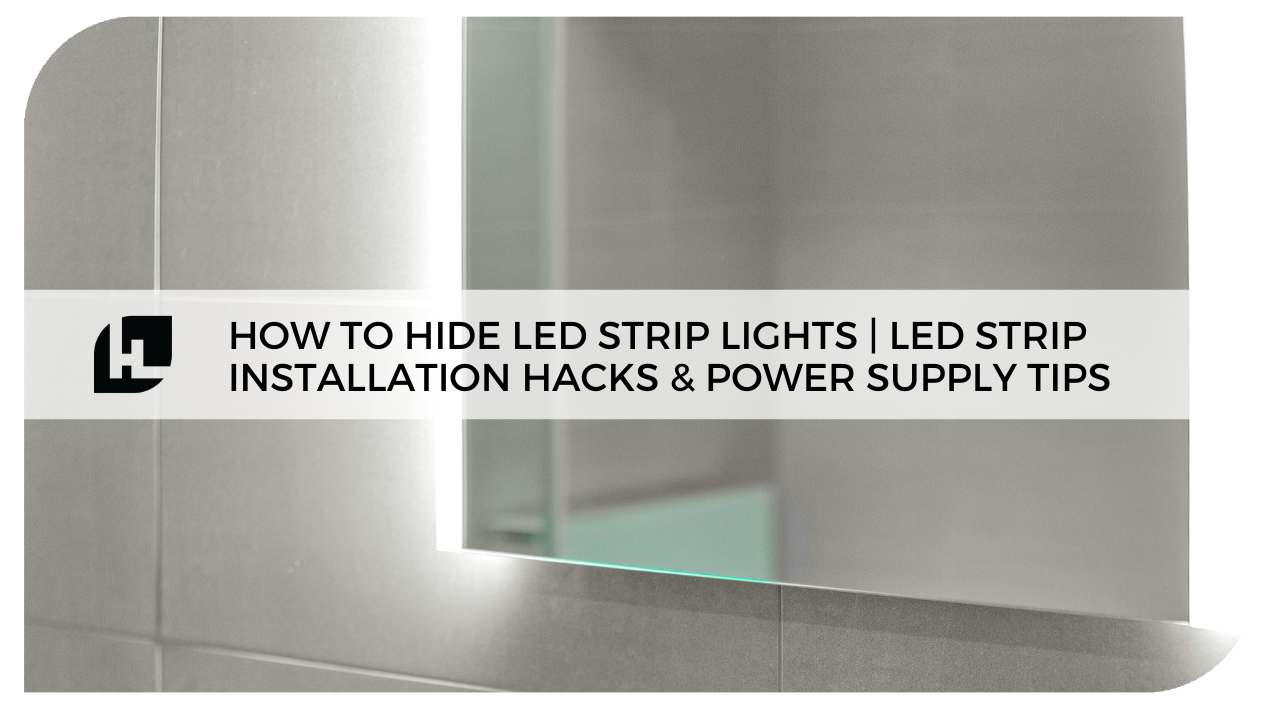
- Introduction: Why Concealing LED Strip Lights Matters
- Choosing the Right LED Strip Lights for Easy Concealment
- LED Strip Installation Hack: Plan Before You Stick
- Creative Ways of Hiding LED Strip Light in Different Spaces
- Hiding Power Supply Without Compromising Safety
- Tools and Accessories That Make Concealment Easier
- Common Mistakes to Avoid When Hiding LED Strips
- Conclusion: Achieving Seamless Lighting Aesthetics
Introduction: Why Concealing LED Strip Lights Matters
LED strip lights have become one of the most versatile and stylish lighting solutions for modern homes. From accentuating architectural details to creating cozy atmospheres, they are everywhere. However, visible strips, dangling wires, or bulky power supplies can ruin the clean look you’re aiming for. That’s why learning how to hide LED strip lights is crucial if you want a sleek, professional finish.
Not only does proper concealment improve aesthetics, but it also increases durability by protecting strips from dust and accidental damage. Let’s explore tried-and-tested strategies to achieve a seamless look.
Choosing the Right LED Strip Lights for Easy Concealment
Before diving into hiding techniques, start by selecting the right strips. Some models are easier to conceal due to their design.
-
Slim LED strips: These are thinner, making them easier to tuck into small spaces.
-
Flexible options: Perfect for curved surfaces or intricate furniture.
-
Water-resistant LED strips: Ideal for kitchens, bathrooms, or outdoor installations.
-
Pre-diffused LED strips: These come with built-in channels that spread the light evenly, minimizing harsh reflections when hidden behind edges.
Pro tip: Always measure the area where you plan to install the lights before purchasing. This avoids issues with fitting and ensures better planning for concealment.
LED Strip Installation Hack: Plan Before You Stick
A common mistake homeowners make is applying adhesive LED strips without planning the layout. The best LED strip installation hack is to measure and map everything in advance.
Here’s what to do:
-
Sketch your design – Mark where you want the light to shine and where wires will run.
-
Plan for power supply concealment – Identify sockets and outlets to avoid long, visible cables.
-
Test the lights first – Connect them before peeling the adhesive to ensure brightness and direction are correct.
This upfront preparation reduces the need for reinstallation and ensures a seamless look.
Creative Ways of Hiding LED Strip Light in Different Spaces
Different areas of the home require different concealment techniques. Below are some clever ideas.
Under Cabinets
Kitchen counters are a popular spot for LED strips. To keep them hidden:
-
Install strips behind the cabinet lip or in aluminum channels.
-
Use a diffuser to prevent visible hotspots.
-
Route wires along cabinet edges, secured with adhesive clips.
Behind TVs and Monitors
For ambient backlighting:
-
Place LED strips behind the screen’s edges.
-
Hide wires inside cable management sleeves or wall-mounted raceways.
-
Ensure strips don’t extend beyond the screen for a professional look.
Along Ceilings and Crown Moldings
One of the most luxurious applications is ceiling lighting.
-
Hide strips inside crown molding to diffuse light upward.
-
Ensure power cords are routed through walls or concealed conduits.
-
Use warm white or RGB for a customizable ambiance.
Staircases and Hallways
Lighting stair edges enhances safety and style.
-
Position strips under each step or along the railing.
-
Conceal strips with aluminum channels to prevent direct visibility.
-
Hide wiring behind baseboards.
Furniture and Bed Frames
LED strips can transform furniture into statement pieces.
-
Install them under sofas, headboards, or dressers.
-
Conceal the strip inside grooves or behind trim.
-
Hide power supply blocks behind furniture for a wireless look.
Hiding Power Supply Without Compromising Safety
The hiding power supply step is often overlooked, yet it’s essential for achieving a seamless effect. Large power bricks and adapters can stick out like a sore thumb.
Here’s how to manage them effectively:
-
Use furniture as cover: Place power supplies behind cabinets, under sofas, or inside drawers.
-
Wall-mounted enclosures: Special plastic boxes keep adapters hidden while ensuring ventilation.
-
False panels: Add a thin wooden panel to hide the brick without blocking airflow.
⚠️ Important: Never wrap a power supply in fabric or non-ventilated material. Overheating is a serious fire hazard. Always prioritize safety over aesthetics.
Tools and Accessories That Make Concealment Easier
Sometimes, the difference between a messy and professional installation comes down to the right accessories.
-
Aluminum channels with diffusers: Not only hide strips but also distribute light evenly.
-
Cable raceways: Keep wires organized along walls.
-
Adhesive clips and Velcro ties: Perfect for securing cables under furniture.
-
Corner connectors: Allow strips to bend neatly around edges.
-
Cordless smart LED strips: Reduce reliance on visible power bricks altogether.
Common Mistakes to Avoid When Hiding LED Strips
Even with the right tools, small mistakes can affect the final look. Avoid these pitfalls:
-
Placing strips too close to edges: This makes the light source visible instead of a soft glow.
-
Skipping diffusers: Leads to bright hotspots and uneven lighting.
-
Neglecting power supply concealment: A neat strip with a dangling brick still looks messy.
-
Overusing adhesive without cleaning the surface: Dust weakens adhesion, causing strips to fall.
-
Ignoring heat management: Concealed strips without ventilation may overheat and fail early.
Conclusion: Achieving Seamless Lighting Aesthetics
Mastering how to hide LED strip lights is the key to upgrading your space from DIY to designer-grade. With proper planning, the right accessories, and careful execution, your strips will look like they belong in the architecture, not just stuck on.
From kitchens to bedrooms, staircases to ceiling moldings, hidden LED strips provide elegant illumination while maintaining a clean aesthetic. Don’t forget: the magic isn’t just in hiding the strip itself, but also in hiding the power supply for a flawless finish.
With these techniques, you’ll enjoy the glow of modern lighting without the distraction of messy wires or exposed strips.