
- Introduction
- Why Material Choice Matters in LED Strip Lighting Projects
- Acrylic: The Versatile Diffuser for Clean LED Lighting
- Alternative Materials to Inspire Creative LED Lighting Ideas
- Combining Materials for Standout LED Strip Effects
- Practical Tips: Cutting, Shaping, and Installing Materials
- Real-World Applications of Material-Based LED Designs
- Common Mistakes to Avoid
- Conclusion
Introduction
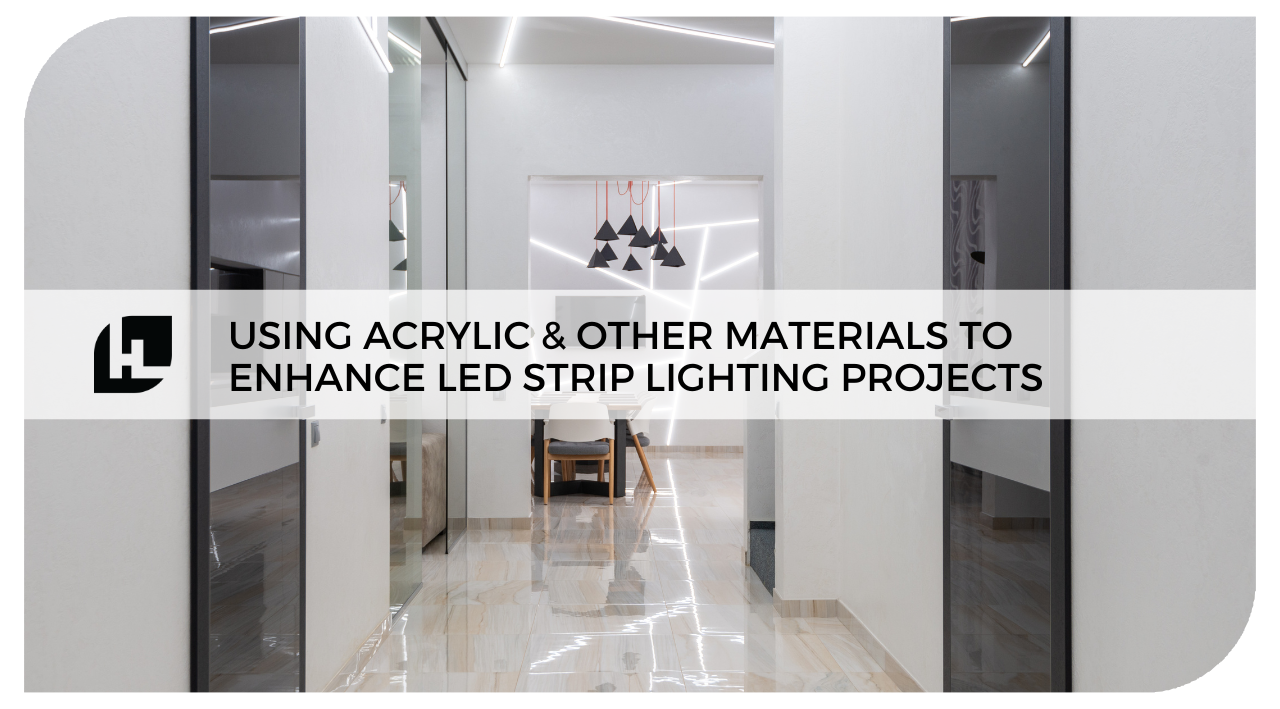
LED strips are one of the most versatile lighting technologies available today, transforming ordinary rooms into extraordinary spaces. Whether for accent walls, under-cabinet illumination, or artistic installations, these lights provide a flexible and budget-friendly option. But the secret to elevating your results lies not only in the LEDs themselves but also in the materials you use to house, diffuse, and shape the light.
This article explores how acrylic and other materials can dramatically change your LED strip lighting projects, provide endless creative LED lighting ideas, and help you achieve professional-grade LED strip effects without requiring advanced tools or large budgets.
Why Material Choice Matters in LED Strip Lighting Projects
Choosing the right material is just as critical as choosing the LED strips themselves. While brightness, color temperature, and placement play a role, the surrounding material determines how light is perceived.
Key impacts of material selection include:
-
Diffusion quality – Softening hotspots and creating smooth, even light.
-
Aesthetic design – Matching modern, rustic, or industrial décor styles.
-
Durability – Ensuring the installation holds up over time.
-
Mood setting – Adjusting brightness and color blending to fit ambiance.
For those starting out, even practical knowledge like how to cut led strip lights safely is essential—but once strips are ready, the material you pair them with can make or break the finished look.
Acrylic: The Versatile Diffuser for Clean LED Lighting
Among all materials, acrylic is the most popular for LED integrations, thanks to its balance of affordability, flexibility, and professional appearance.
Benefits of Acrylic:
-
Smooth diffusion: Frosted acrylic panels spread light evenly, removing distracting hotspots.
-
Durable yet lightweight: Stronger than glass, but easier to handle in DIY builds.
-
Customizable: Easy to cut, bend, and engrave.
-
Modern aesthetics: Delivers a polished finish suitable for homes and businesses alike.
Examples of Acrylic Applications:
-
Edge-lit signs with engraved patterns.
-
Under-cabinet kitchen lighting with frosted sheets.
-
Backlit wall art installations.
-
Gaming setups with glowing, diffused backgrounds.
Acrylic offers clean, futuristic results, perfect for contemporary interiors and design-driven LED strip lighting projects.
Alternative Materials to Inspire Creative LED Lighting Ideas
While acrylic is the most common, other materials open up a world of creative LED lighting ideas. Each option brings its own personality and function.
1. Glass
-
Provides sleek, upscale finishes.
-
Can be etched, sandblasted, or frosted for different diffusion levels.
-
Works well in luxury retail spaces or minimalist interiors.
2. Wood
-
Adds warmth and organic character.
-
Carved wood panels with embedded LEDs create artistic focal points.
-
Excellent for rustic, Scandinavian, or boho décor.
3. Fabric
-
Softens brightness dramatically.
-
Ideal for lampshades, wall hangings, or acoustic panels.
-
Blends seamlessly into living spaces.
4. Resin
-
Allows for embedding objects or pigments for artistic flair.
-
Creates one-of-a-kind fixtures.
-
Especially popular in custom art installations.
5. Metal Mesh or Grilles
-
Offers futuristic, industrial looks.
-
Reflects and refracts LED colors in unique ways.
-
Pairs well with RGB LED strips for bold effects.
Combining Materials for Standout LED Strip Effects
Experimenting with multiple materials is often the key to exceptional results. For example:
-
Acrylic + Wood: Frosted acrylic inserts framed by natural wood create balance between modern and rustic.
-
Resin + Metal: Transparent resin infused with metallic accents diffuses light dramatically.
-
Fabric + Glass: Fabric-wrapped glass fixtures provide both durability and softness.
This combination approach creates layered LED strip effects that are far more visually engaging than single-material setups.
Practical Tips: Cutting, Shaping, and Installing Materials
When incorporating materials into LED projects, precision is crucial.
-
Cutting acrylic or glass: Use fine-tooth blades or specialized cutters. Always measure
-
twice before cutting.
-
Shaping wood panels: A router or CNC machine creates clean recesses for strips.
-
Working with fabric: Stretch fabric evenly to avoid uneven light diffusion.
-
Safety: Always wear protective gear when cutting, sanding, or engraving.
Installation tip: Always test LED brightness behind the material before final assembly to ensure your chosen material achieves the desired diffusion.
Real-World Applications of Material-Based LED Designs
Here are a few real-world examples where materials redefine LED setups:
-
Home theaters: Fabric panels with hidden LEDs create immersive viewing environments.
-
Retail displays: Glass and acrylic panels elevate merchandise presentation.
-
Art installations: Resin with embedded elements creates glowing, sculptural art.
-
Outdoor décor: Wood and acrylic combinations withstand weather while looking stylish.
These applications highlight how LED strip lighting projects adapt across industries and environments.
Common Mistakes to Avoid
-
Overlooking diffusion: Bare LEDs often look unprofessional.
-
Ignoring material compatibility: Not all adhesives or fasteners work across wood, acrylic, or metal.
-
Skipping heat management: Ensure strips have proper ventilation, especially when encased.
-
Overcomplicating designs: Sometimes the simplest material combinations deliver the strongest impact.
Conclusion
The right materials can transform basic LED strips into show-stopping lighting designs. From sleek acrylic diffusers to rustic wood panels and artistic resin creations, material choice shapes not only the look but also the atmosphere your lighting creates.
By experimenting with different materials or even combining them, you can unlock new creative LED lighting ideas and craft unique LED strip effects that elevate your project from ordinary to extraordinary.